
the queen's somatic map
exclusive guest excerpt!! AND! BONUS post inside this post!

Happy Purim, House of Study! (Almost!)
For those of you new to this TV channel, the holiday of Purim is coming up, in which we read the Book of Esther.
First, the Talmud teaches that
"when Adar enters, joy increases."
And the Ramones teach,
"Bam, bam, ba-bam, ba-bam, bam, ba-bam."
As such, please enjoy my friends Yudi and the 50 Gates:
(BTW unplugged, Yudi+'s sound is Breslover alt-folk, and with the full band and amps it's very The Torah of Hüsker Dü.)
NEXT! I am delighted to share with you a very exclusive excerpt of an exciting new book coming out, called Esther Keeps The Score by the wonderful Dr. Alexiana Fry giving you an absolutely brilliant new way of seeing Queen Esther (and her take on the "why" of the horrific violence at the end of the Book is – like this whole thing – a whole set of doorways in.)


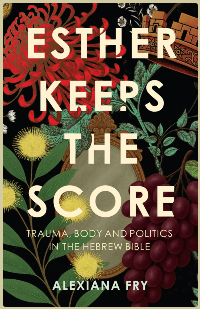
There is also my take on some of the ways that this Book echoes all too presciently with the news of our day, most particularly the Epstein-related news. It's there if you want to go there. Here, and at the bottom of the post.
But regardless! This is good stuff! And we will return to our regularly scheduled text study-type posts next week. (In the meantime, please always tell me what you like and don't like and want more of, ya?)
Adapted Excerpt of Esther Keeps the Score: Trauma, Body and Politics in the Hebrew Bible by Dr. Alexiana Fry
trigger warning: This is about trauma and the 'fawn' response
“We tend to forget the incredible violence enacted upon Esther because she comes to the rescue of the Jews so her sacrifice seems worth it.” – Cat Zavis
As we prepare for Ta’anit Esther and Purim, I am thinking about trauma afresh.
The book of Esther is about the survival of the Jews despite all odds, and this is achieved through the actions of Esther, who embodies what seems to be every sort of precarity. However, with a trauma-informed lens, we might better understand her actions—both those we see as questionable and those we see as masterfully strategic—as an actual trauma response: fawn.