


This newsletter is a reader-supported publication.
Paid subscriptions allow our tiny team to keep doing this work.
If you want in to the House of Study but paying isn't on for you right now, reach out and we'll hook you up, no questions asked. Always.
Shana tova to those of you who are preparing for a shiny new year! And big new year love to everyone else, too. Today I'm going to share an old favorite, below, that some of you might find helpful to reread (or encounter for the first time) just about now – but I'd like to share a few other resources of spiritual sustenence for the season, first:
You know that I wrote you a book, right? Good.
 Dismiss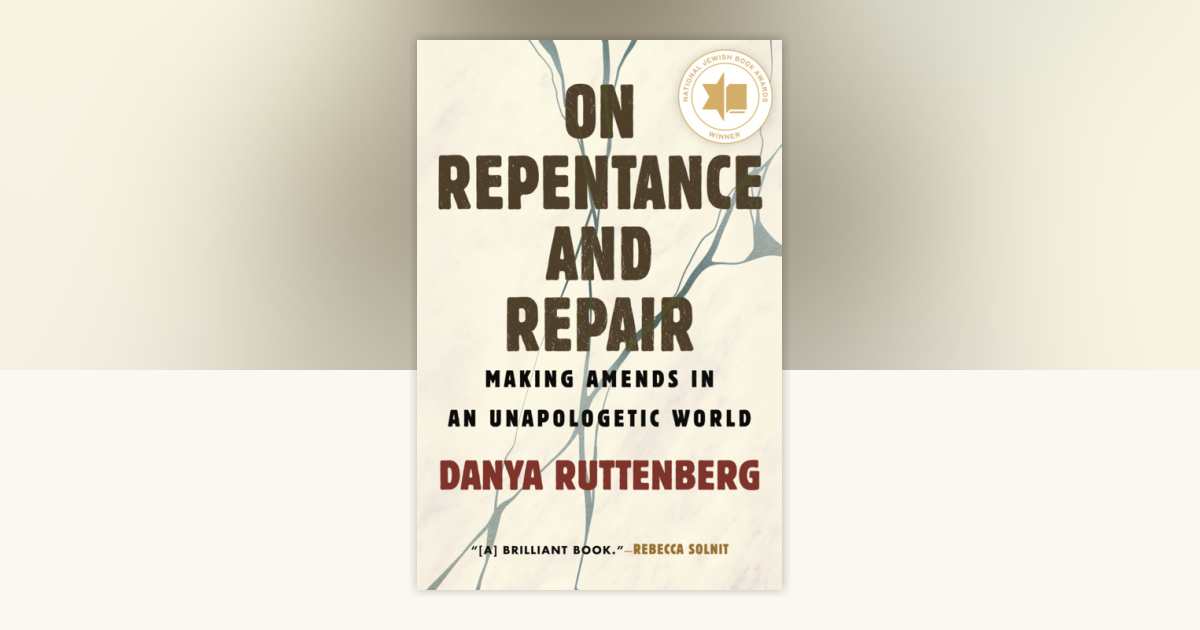
And the book has discussion guides and text source sheets for every chapter:
- On Repentance Discussion Guide
- On Repentance Discussion Guide for Christian Communities
- Basic Sources for On Repentance and Beyond
- Torah Source Sheets by Chapter
Second of all, a few more goodies are at the top and bottom of this email. Return to this email (or open the website version in your browser, since I've exceeded your mail client's patience and the bonus stuff probably won't show) and unpack them one by one over the next two weeks.
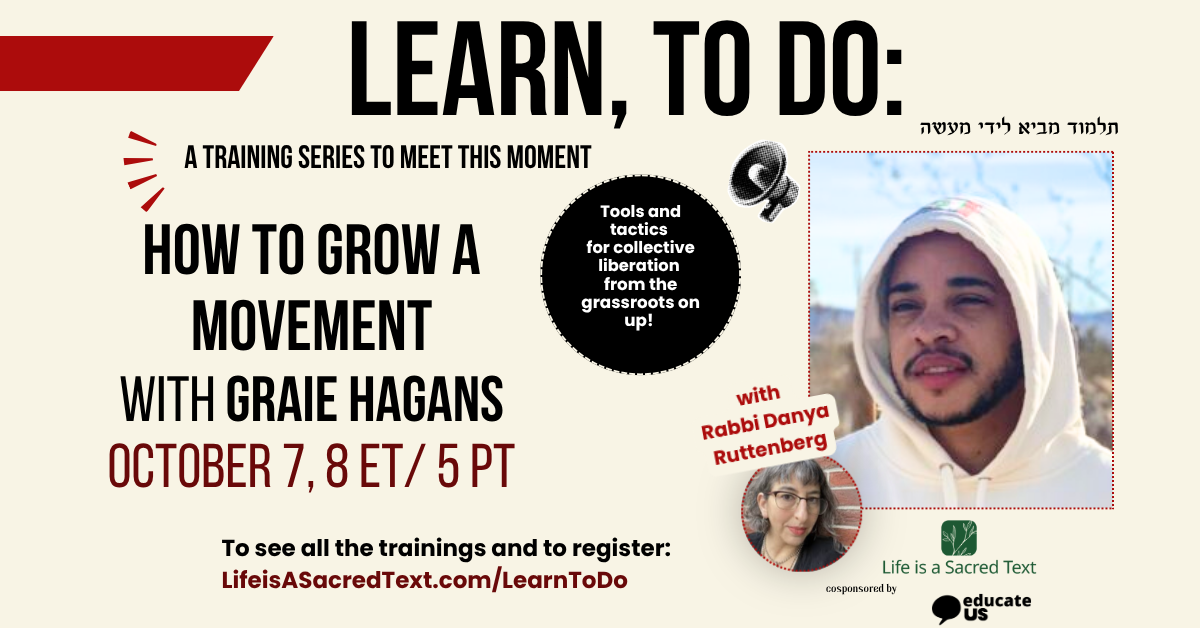
And don't forget to register for Graie Hagans' legendary organizing training in a few weeks!

Really, just come back here all season:
 Rabbi Danya Ruttenberg
A practice from my own rabbi
 Rabbi Danya Ruttenberg
I think there are some hidden depths in the Yom Kippur service that we need at the beginning of this new chapter
 Rabbi Danya Ruttenberg
On the Thirteen Forms of Mercy, and on our own
 Rabbi Danya Ruttenberg
Rabbanit Dr. Liz Shayne reads the story of Jonah– read on Yom Kippur– brilliantly, through an autistic lens.
Next, this is from a few years back and seems to be one of those things that might always be useful in this season? So, here you go, have a...
Permission Slip 🎈
I know that prayer feels hard and uncomfortable to lots of folks, so let's spend some time unpacking some of what it can be.
For starters, let me make this clear once again: I don't believe in vending machine theology.
Like, there is no version of any understanding of the divine that I have that involves me praying for a pony and getting a pony. Or a fast car or that gig that I want or a parking spot or whatever.
Courage, patience, compassion? That's different. Those are inside you. When you pray for those, you are actually summoning great, gorgeous sleeping aspects of yourself from the deep, inviting them to rise to where you can see them, find them. You’re asking the divine to be your partner in finding them, asking for the capacity to access what is already available to you
"But rabbi, the traditional Jewish liturgy includes prayers for livelihood, for healing, for all sorts of things! We ask for external stuff!"
Yes, and the traditional Jewish liturgy is written in the first person plural.
Not I. We.
But first, I want to say a few things about the act of prayer.
The Book of Samuel talks about a woman named Hannah who's stuck in a dark place; she finally breaks, starts crying, and then, the book tells us, she "increased her prayers before God…. Hannah spoke on her heart."
She's considered the paragon of prayer in Judaism; she didn't recite formal liturgy. She teaches us, though, that prayer is about speaking on your heart.
It's a means to express something of our deepest selves, and not only naming it, but offering it up to the great beyond.
Whether or not you think of yourself as someone who believes in whatever might be called God, I'd like to suggest that there is power to this. I don't think you need to know to whom or what you're praying in order to pray. Sometimes, you can just... pray. And see how it feels.
If meditation can get us centered in the present moment, prayer can engage that presence, draw from or offer it up, or do both at the same time. Meditation is the work of the breath, of the stillness of the mind. Prayer is, as the Jewish tradition puts it, "work of the heart."
This work of the heart often emerges from the hardest spaces. Sometimes it comes out of that moment when you're at the edge of your ability to cope, or grief, despair, fear, anger, disassociated numbness, or overwhelm. Or from a bunch of those things, all at once.
Perhaps our prayers are open expressions of resentment, desperation, hope, gratitude, wonder, frustration, questions, or many of the other things a person might feel when we're up to the ears in it. Perhaps something else. I don't know.
I can tell you that if you spend all of the High Holy Days (if you’re Jewish, or all day any day no matter who you are) yelling at God until you get to the place where the tears are, or yelling until you find a new truth that you hadn’t uncovered, that will be time well spent.
Yes, you can yell at God, you can be angry at God, you can yell at I-don't-know-if-there's-God-or-what-but-I'm-gonna-yell. The God in which I believe can take it.


Jews, anyway, have a long, proud tradition of yelling at God.
But real prayer doesn’t push aside hard feelings. Nor will it magically fix everything. It can help us to name what's happening, & to pour it out to the great transcendent beyond—to turn your isolated feeling into something that connects you, that binds you to something bigger.
It is this outward offering that turns "feeling feelings" into prayer: we don't just experience them, we offer them up, to someone, something.
We say, “here, can you hold on to at least a tiny piece of this anger, frustration and despair for just a second?”
We connect our heart to the great infinite everythingness, the gushing, pulsing stream of life within and around us. We reach out.
It's about tuning into that which interlinks us all, that which is present within and between us.
Try lifting up the things in the deepest places of your heart and try to release them like you're letting the wind take a balloon. You don't have to even know whether anyone's taking them or what, just try to pull the words up and out.
So then, to get back to the words in the prayerbook. First of all, permission:
If you're in services and what's happening with the prayerbook and the service isn't where your head is at, let me be hopefully not the first person to give you permission to just be where you are, tune out of the service and tune in to your heart, tune in to whatever's happening there, do that. If you do some real work there, you've done good.
The point is not to recite every word of the liturgy while your heart cries for attention. No.
And as for crying in services? Feel free to ask anyone from any of the synagogues I've attended regularly in the last 25ish years (that is, from when I started showing up regularly) if I have ever been seen sobbing hysterically during prayer services. Uh.
Yes, hi, here is your permission slip to cry if you need to.
Sometimes in the process of prayer you move stuff around and find true things and clear out some things and the true things come out through tears. That's OK.
Sometimes life is so full and the only time you have time to be a certain kind of present is during prayer and so it turns out that's when you cry. That's OK.
So, then, back to the words in the prayerbook. For Jews: Whether you're more comfortable in the Hebrew (and occasionally Aramaic) or English, or a bit of both--consider this your permission slip to pray from whichever side works best for you--the prayerbook is meant to be your guide through a process.
The liturgy has been crafted very intentionally. It's the trail for your hike. It's meant to take you on a series of risings & fallings, openings & closings, peaks & valleys. The blessings before & after the S'hma, before & after the Amidah, where the Kaddishes or the special parts of the holiday liturgy are, etc.
We talk about keva (fixed form) and kavvanah (intention) as the heart of Jewish prayer. Taking the intention, the heart stuff I've been talking about and binding it to the form, the words in the prayerbook, and offering it up.
It takes practice, sure, but if you're in services a bunch over the next little while, why not practice?
Find some of the words that catch you in particular and really... pray them?
See what it feels like to find some words that you wouldn't think to just write yourself and pray those?
And then we get around to the genius of Jewish prayer. The ways it shapes you, like water gently shaping a rock.
The number of times I have, in prayer, had to find the ways and meanings around words I wouldn't have, in my tiny, finite, ego-driven self, thought to write.
The ways that we--not I, we--has worked itself into me. It's not about my own love or sorrow. My own fate or concern.
The hike has taken me to vistas more profound and beautiful than I possibly could have imagined on my own. And it's forced me to tap into pain and suffering greater than I wanted to, because that's part of the work, too. That's OK. We. Us.
In any case, I want to bless you this season with the opportunity to do some of the work of the heart– in services, or just walking down the street, when you're with a cranky child, at any moment when you need to offer something up.
Formal prayer--yes. And spontaneous prayer is valid, too. It was for Hannah, it is for you, too.
Offer something up.
❤️ 🌱 ❤️
Who's one person in your life who needs to read this piece?
Send it to them.
Whether or not you're observing!
May this be a year with more health; more safety; more righteous doing; more reaching out; more bringing in; more inspiration; more connection; more love; more laughter; more bounty; more sharing; more risks; more creativity; more showing up; more collective care; more solidarity; more hope; more unmitigated joy. ❤️
Shana tova and g'mar tov.
(The one that looks like this: 💬)

Give yourself permission– and the tools– to get your work out there.
Join me for two practical workshops to bring your ideas into the world.
- October 28: How to Write an Op-Ed
- November 18: How to Write a Book Proposal
- PLUS: How to Write a Book Proposal GUIDE available for purchase anytime, here, and included with the proposal series.
- EXTRA GOODNESS - House of Study members get 75% off everything!
(And yes, as long as you’re registered, the session’s recording will also be available to you.)
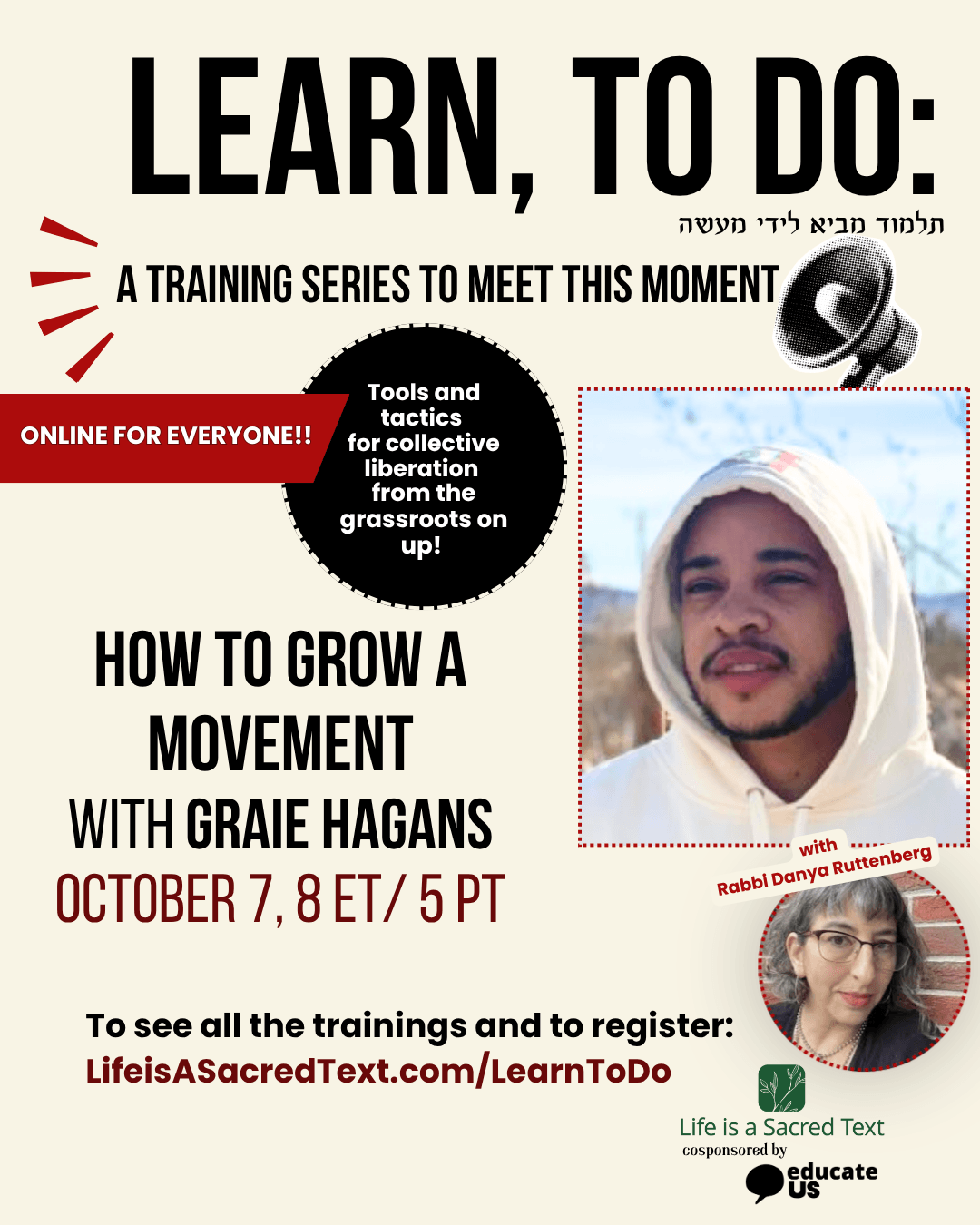
Longtime organizer, political educator, and casual midrashist Graie Hagans offers a grounded, accessible introduction to moving from a participant to a leader in this time when we need more people to step up and show up, teaching the deeper layers of organizing work; not just basics like power mapping and base-building, but working in a culturally appropriate way across identity and experiential difference; how to use organizing to leverage the power we build against those who hold oppressive power; how to be intentional and thoughtful about the power that we do wield (and what power is, even); coalitions, strategy, and more.
Share this post
 Share on Bluesky
 Share on Threads
 Share on Facebook
 Share on Mastodon
 Share on Reddit
 Share on LinkedIn
 Share on X
 Share on Email
Support independent work committed to telling inconvenient truths:
Did you know that you can now buy House of Study gift subscriptions for the people you love
(and also the ones you just kind of like pretty OK)
all year round??
Delight the folks who need inspiration and fortification while supporting independent media and enabling more community work to come!
Win! / Win! / Win!
YES MORE RESOURCES!
 Rabbi Danya Ruttenberg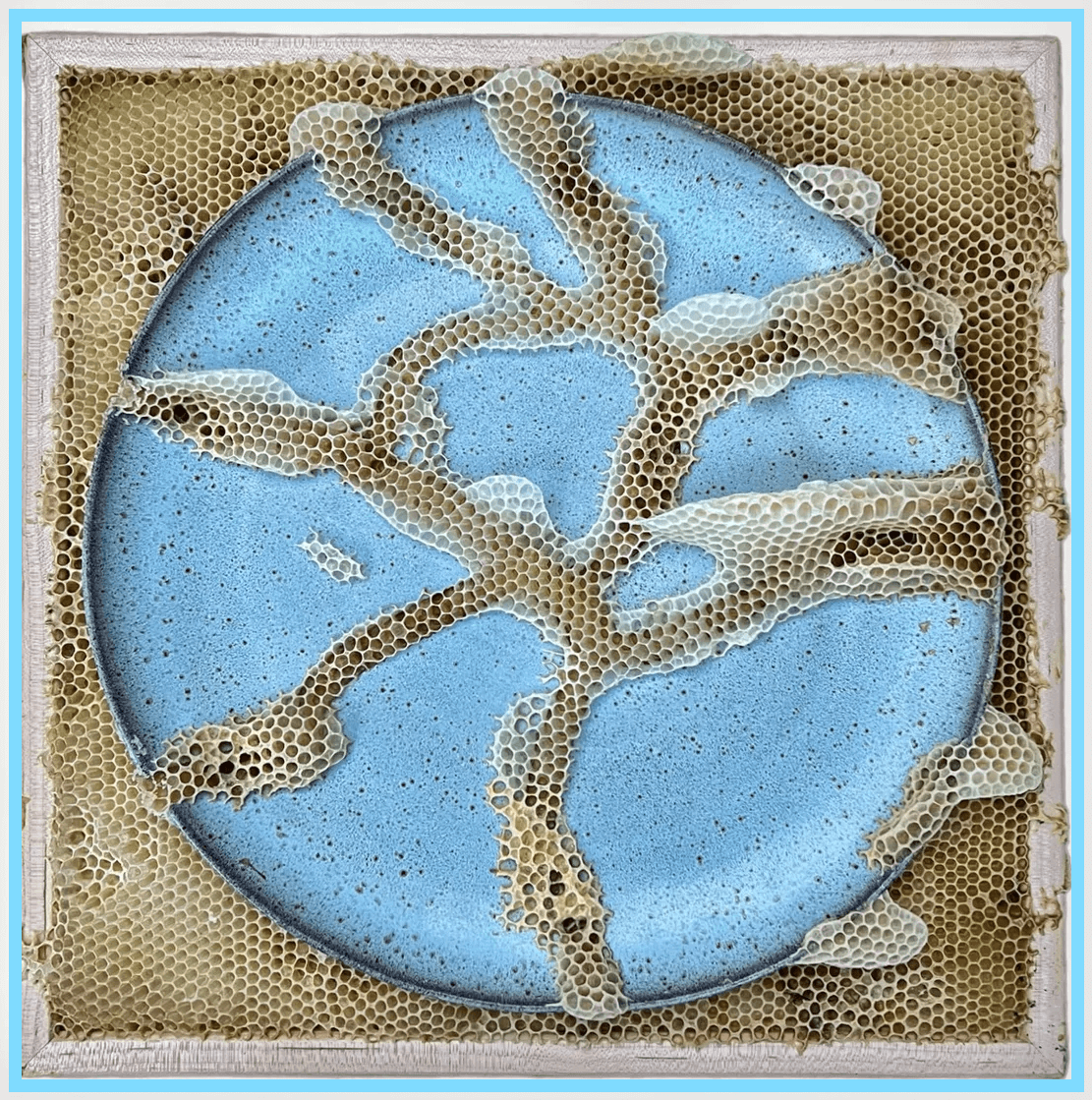
A beautiful meditation to do at the start of a new year and / or during tashlich
 Rabbi Danya Ruttenberg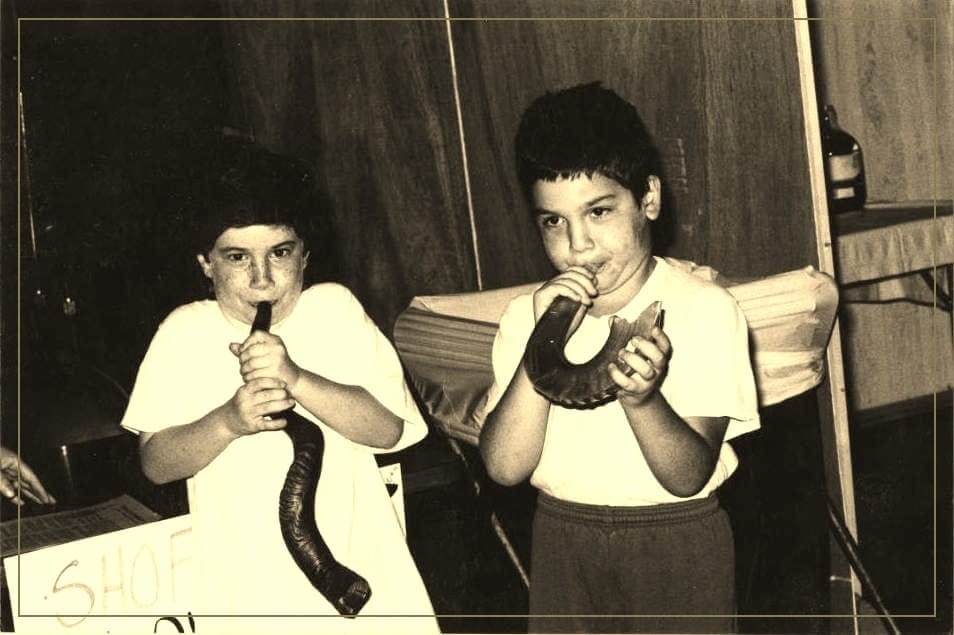
Shofar, sho-good
 Rabbi Danya Ruttenberg
What's atonement/ kapparah, exactly, and what does it do?
 Rabbi Danya Ruttenberg
 Rabbi Danya Ruttenberg
Galeet Dardashti's gorgeous musical ancestral story
 Rabbi Danya Ruttenberg
Let us make this no longer relevant