

Today:
1) One snapshot of this political moment.
2) A less-discussed lens on how the Religious Right brought us here.
3) What that, and our other wisdom, teaches us about how to mobilize now.
It's easy to forget while we're so immersed in it, but this white supremacist, Christian nationalist authoritarian chapter of history was never a foregone conclusion.
Note: Christian nationalism is a movement that asserts that the US was founded as, is now, and should be, a Christian nation. It's not synonymous with Christianity.
FUN FACT!
The U.S. Was Not, In Fact, Founded As a Christian Nation
despite the many other harms baked into its founding documents
The Treaty of Tripoli, signed by President John Adams in 1796, includes:
"The government of the United States of America is not in any sense founded on the Christian Religion, as it has in itself no character of enmity against the laws, religion or tranquility of [Muslims]...."
Jonas Phillips was a Jew who convinced the Constitutional Convention to support religious freedom in 1787 by striking Christian language from the proposed federal Oath of Office. He wrote them,
All [people] have a natural and unalienable Right To worship.... according to the dictates of their own Conscience and understanding, and no[one] aught or of Right can be Compelled to attend any Religious Worship...
The First Amendment was ratified in 1791.
Share this post


Before we look at how we got here, though, where's "here" ?
Data indicates that
- 3 in 10 Americans qualify as Christian nationalism adherents or sympathizers (including a majority – 56%– of Republicans)
- Christian nationalists are more likely than other Americans to support political violence
- And they're more likely to hold more extreme views about im/migrants.
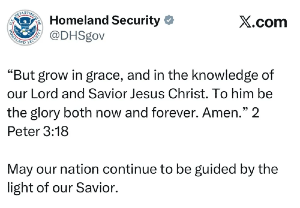
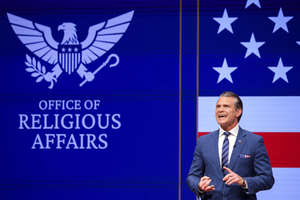
Examples of today's theocracy abound, eg: TANF (Temporary Assistance for Needy Families) funds now sometimes pay for “marriage education” classes instead of feeding hungry kids. TX, LA, OK and UT now read the Bible in public school (not "as literature"). Agriculture Secretary Brooke Rollins has been proselytizing to USDA’s 110,000 workers with increasingly aggressive emails over the last year. The Pentagon now has a religion department; the agenda includes things like condensing 200 religious affiliation codes down to a paltry 31 – 22 of which are variations of Christianity, of course. In March, Hegseth prayed before troops in uniform,
“Grant this task force clear and righteous targets for violence.... let justice be executed swiftly and without remorse, that evil may be driven back and wicked souls delivered to the eternal damnation prepared for them.”
Lovely.
In 1999, political scientist Jean Hardisty– founder of the right-wing watchdog group Political Research Associates—published a history of the Right's ascent from the mid-70s, looking at how conservative leaders cribbed best practices from progressive liberation movements of the 60s and 70s while keeping their eyes on the dystopian long-term: They
- Built a structured grassroots network
- Constructed a lobbying system
- Worked mass media
- Set up legal structures and
- (in a way the left never did) crafted the home/ family level of the movement.
The Religious Right was never organic; strategists identified conservative Christians as a potential target market, and recruited Rev. Jerry Falwell to go get ‘em. And over decades, the Right has cobbled together a messy coalition of bedfellows who by no means shared the same core interests. Many of these groups likely had big objections to one another, or at least were far from natural movement partners: The old "fiscal conservatives"; tech billionaires; traditional Republicans; antivaxx conspiracy theorists (MAHA); secular white supremacists (aka the MAGA base); extreme white nationalists; and, of course, fundamentalist Evangelicals and right-wing Catholics.
Share this post
In the last chapter of Hardisty's book– and remember, this was 27 years ago– she looked at why the Overton Window had been shifting rightward, arguing that the many agendas of the progressive world (labor, climate, racial justice, etc.) had somehow created a splintering effect rather than bringing people together under a united vision.
These decades later, though we're so often still playing a sort of liberatory whack-a-mole, we can see pieces of this united vision pulling together. Our collective analysis has improved since Hardisty wrote those words, and there are times when our communities have begun to show up for one another, against the forces that seek to harm us all.
And under the most fascist, corrupt government we've ever had, ideas about how else we might live that once seemed fringe or radical are becoming increasingly mainstream (or, you know, policy in NYC.)
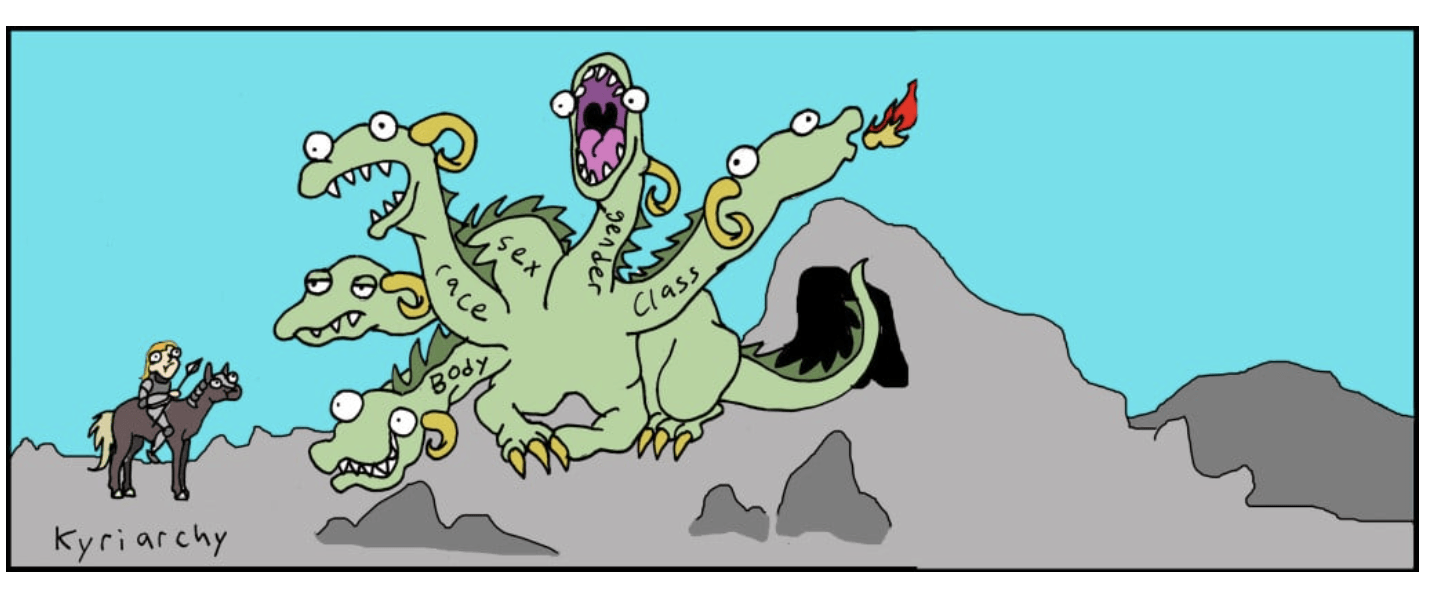
The theocratic Right learned their best practices from us.
We must go deeper into those things and the other tactics and strategies we know best.
Over the last four months, we've had the privilege of learning from organizers, movement leaders, storytellers, and visionaries who generously shared not just strategies and skills, but the hard-earned wisdom that comes from years of doing the work.
Across every single LEARN, TO DO session, a few themes emerged again and again:
- We don’t need a handful of perfect leaders - we need many more people willing to take responsibility for the work.
- Strong movements are built through relationships, trust, and consistent practice, not moments of individual heroism.
- Sustainable organizing requires community care, curiosity, humility, and a willingness to keep learning and growing.
- None of us can do everything, but each of us has a role to play.
- Solidarity is the only way home.
These are the lessons to carry into your organizations, your communities, your congregations, your workplaces, your neighborhoods, and your everyday conversations.
Movements are built by ordinary people who decide to keep showing up for one another. I hope the series has helped you feel more prepared - and more inspired - to be one of them.
The work neither starts nor ends at midterms. But together, with each of us showing up today, tomorrow, through 2026 and beyond, we can build something more whole for us all.
Try one new organizing practice.
Invite someone else into the work.
Take whatever the next courageous step is for your work, even if it's a small one.
Here are some ideas:
 Rabbi Danya Ruttenberg
We can do this.
❤️ 🌱 ❤️
Who's one person in your life who needs to read this piece?
Share this post

Give yourself permission– and the tools– to get your work out there.
Join me for two practical workshops to bring your ideas into the world.
- October 28: How to Write an Op-Ed
- November 18: How to Write a Book Proposal
- PLUS: How to Write a Book Proposal GUIDE available for purchase anytime, here, and included with the proposal series.
- EXTRA GOODNESS - House of Study members get 75% off everything!
(And yes, as long as you’re registered, the session’s recording will also be available to you.)
(The one that looks like this: 💬)
When you join our inner circle,
you become part of a diverse community of insightful thinkers and doers who care about transforming themselves and this world
-- while geeking out -- as much as you do.
This is the space you've been looking for. ❤️
For less than the price of one coffee shop drink a month.
Join us.
More glimmers of hope: some people are doing beautiful tshuvah/repentance work (in addition to all the regrets we've heard about):
 Artis Curiskis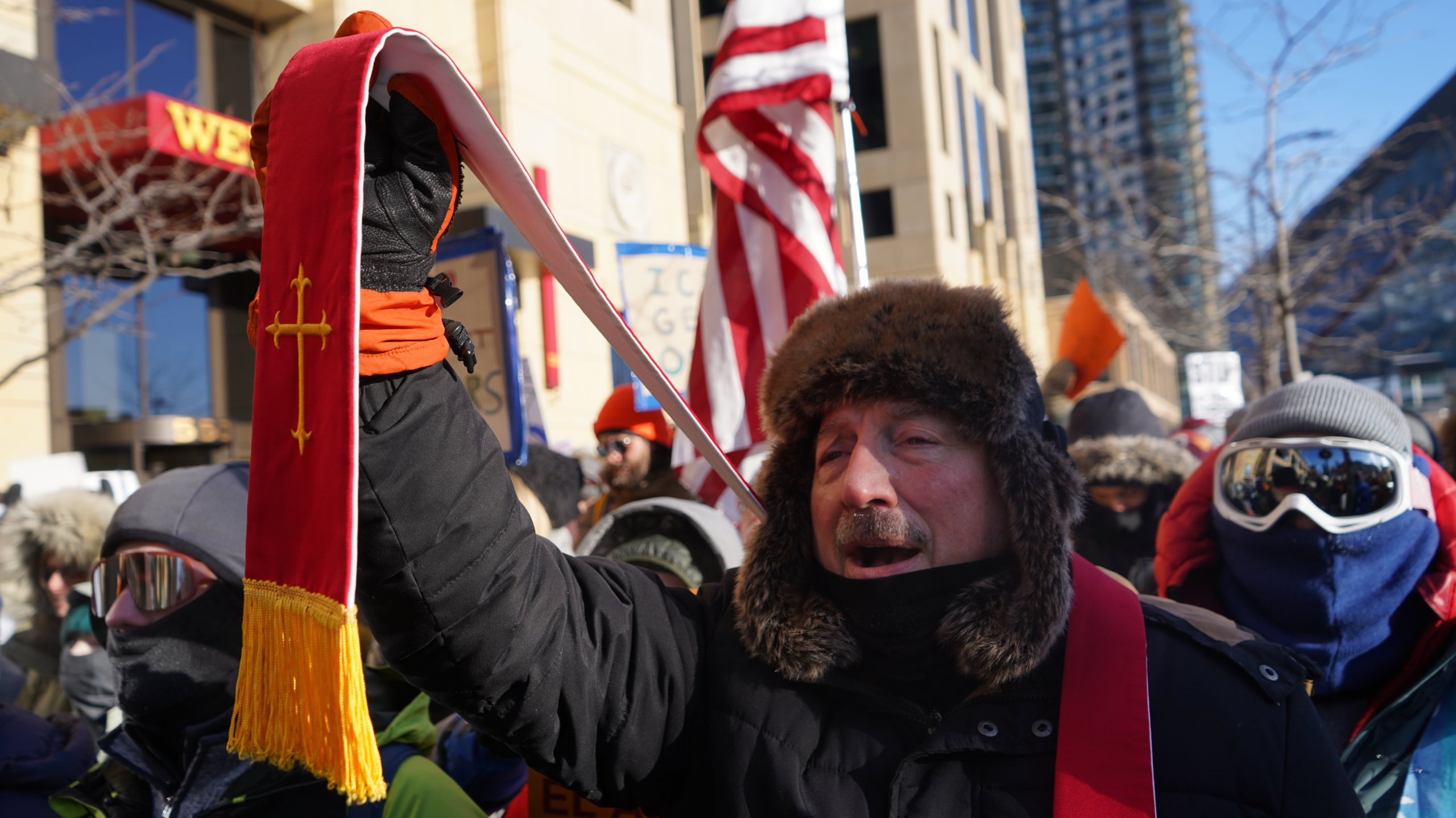
More posts on organizing, analysis and sustaining yourself in this time:
 Rabbi Danya Ruttenberg
Support independent work committed to telling inconvenient truths:
Share this post