

This is Life as a Sacred Text, an expansive, loving, everybody-celebrating, nobody-diminished, justice-centered voyage into one of the world’s most ancient and holy books. We’re generally working our way through Leviticus these days. More about the project here, and to subscribe, go here.
We’re just going somewhere else today, mostly because I fell down this rabbit hole recently and I’d like to pull you in, too.
Elephantine is an island on the Nile, in Upper Egypt.
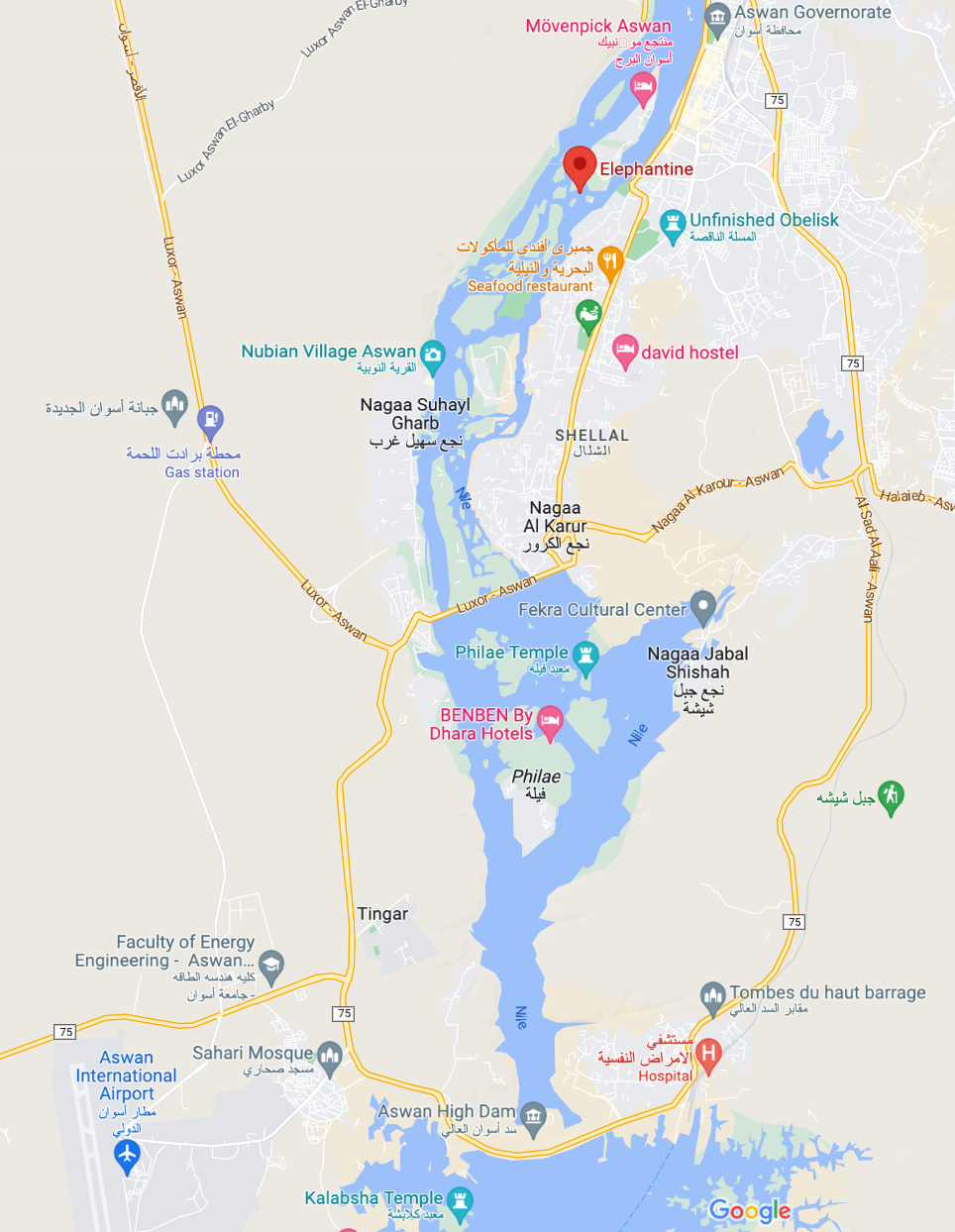
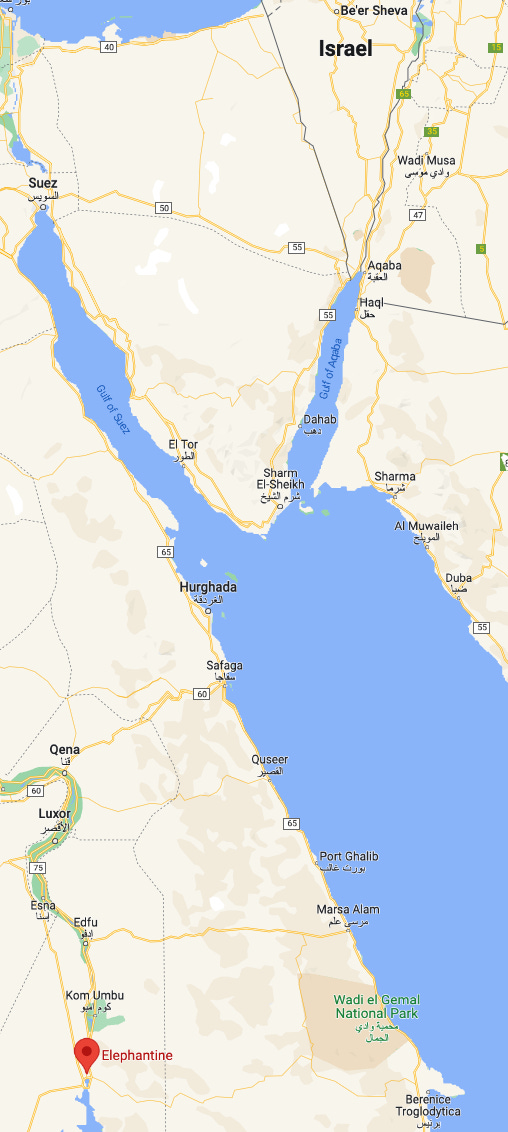
Starting in the seventh century, BCE, there’s evidence that Judean mercenaries and their families lived there—and it seems that after the destruction of the Temple and the Babylonian exile in the sixth century BCE, more Judean refugees traveled south and settled there. They also—notably, and somewhat shockingly to contemporary Jews, steeped as we are in the “one Temple, in Jerusalem, thank you very much” philosophy—maintained a temple on the island, to which they offered sacrifices.
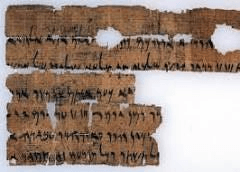
In the late 19th c, some caches of papyri were discovered that revealed extraordinary amounts about the Jews who were living there during the 5th to 4th c. BCE. BCE!!
Some Psalms were 5th c. BCE. Ezra-Nehemia were 4th c. at latest, probably, with additions and changes likely into the Hellenistic period (Alexander the Great conquered the Land of Israel in 332 BCE), probably ditto Chronicles. Esther’s 4th c. BCE, and so on.
These letters are happening AS THE HEBREW BIBLE IS GETTING WRITTEN.
Now do you get how cool this is?
They’re written in Aramaic; they talk about Shabbat and Passover observance, and intermarriage was common—the ketubot, wedding contracts, would specify whether one was marrying a Jew or an Egyptian.
The discovery of ancient documents is always the coolest, but my favorite is when we find documents that reveal a little of the stories of the people who exist in a place.