

This is Life as a Sacred Text 🌱, an everybody-celebrating, justice-centered voyage into ancient stories that can illuminate our own lives. It‘s run on a nonprofit, so it’s 100% NAZI FREE. More about the project here, and to subscribe, go here:

Trigger Warning: Racist and antisemitic violence / history
- There was a horrifying pogrom in Belfast last Tuesday, fanned as the richest man on the planet (Elon, ofc) encouraged violent, racist terrorism, directing 236 million followers to specific locations targeting immigrants, with devastating impact.
- A cross was also burned in Grant Park in Chicago on Tuesday– in the larger context of post-VRA gutting conversations about the return of Jim Crow.
- The previous weekend, a Jewish woman was attacked on the New York subway, choked and hair pulled, told that "Jews eat kids."– in the context of rising antisemitic incidents worldwide.
- Yesterday, settlers in the West Bank set fire to a mosque while people were inside. In 2026 alone, there have been over 1,000 attacks by settlers causing casualties or property damage to Palestinians in the West Bank–an average of six incidents a day, higher than any year on record.
- There are, of course, concentration camps on US soil and beyond. (More on that below.)
It's time to talk about scapegoating through one historical lens, and to share a little-known, 900-year old Jewish way of grieving collective harm that we can, and perhaps should, bring back now–for everyone.


An Abbreviated History of the Blood Libel
For all intents and purposes, the concept of the blood libel began in 1144, in Norwich, England; a 12 year-old tanner’s apprentice named William went missing sometime during Holy Week (the week leading up to Easter) – which, as it generally does, coincided with Passover/Pesach.
Young William was found dead in the woods, and the local Jews were very much suspects for two reasons in particular: 1) His work brought him in regular contact with the local Jewish community and 2) the Jewish community in Norwich was really, really new—maybe established only 9 years before the murder!
It was claimed that they killed him as part of a ritual murder (as part of their strange, scary, seeeecret, different rites, of course.) The sheriff granted the Jews protection, but William was regarded as a martyr, and the Jews were soon driven out of town by angry mobs.
Then, in 1155, a Christian boy named Hugh was found dead in a cesspool, where he most likely had fallen. But much torture and many forced confessions later, 19 Jews were hanged. And pretty soon, antisemitic England had “Jews commit ritual murder of Christian children” all over their hateful bingo cards.
It wasn’t long before the blood libel concept reached France, where things escalated even further.
As one account tells it, on in May, 1171, in the city of Blois in central France, a Jew watering his horse happened upon a non-Jew who had drowned a non-Jewish child. The murderer of course fled to the local authorities and claimed that he had seen the Jew killing the child. (Other accounts suggest that there wasn’t even a body to begin with).
Going after 31 local Jewish leaders benefitted the reigning count politically and economically, actual facts notwithstanding. And after said Jews refused to be baptized, they were burned alive on the 20th of the Jewish month of Sivan. (Blood libel was then a big factor in the Jews’ banishment from France ten years later.)
 Rabbi Danya Ruttenberg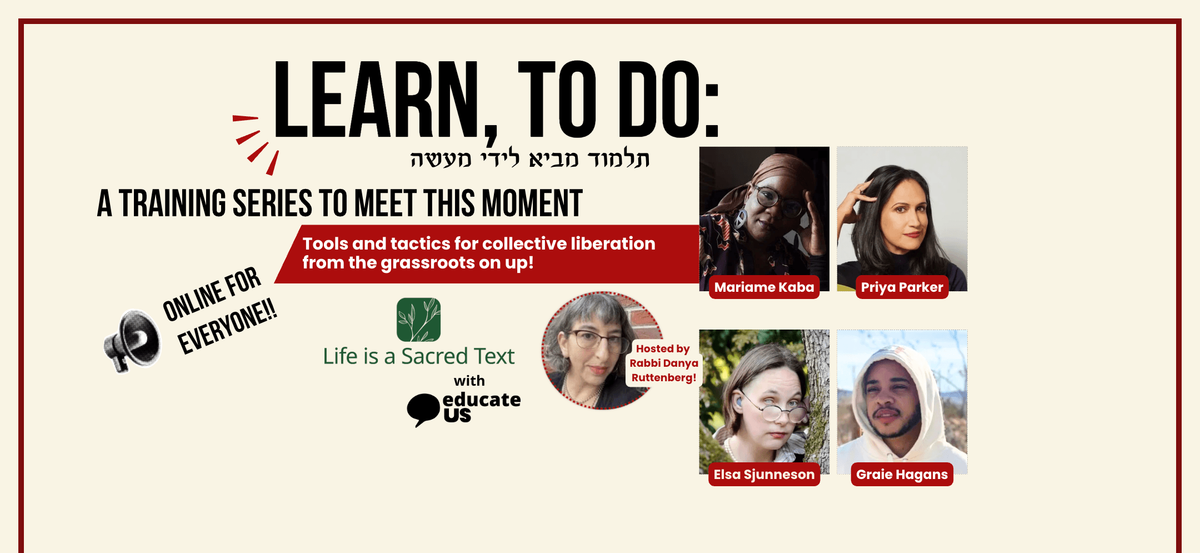
REGISTER NOW
A Day To Mourn For Those Targeted
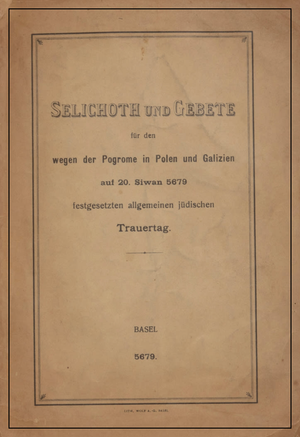
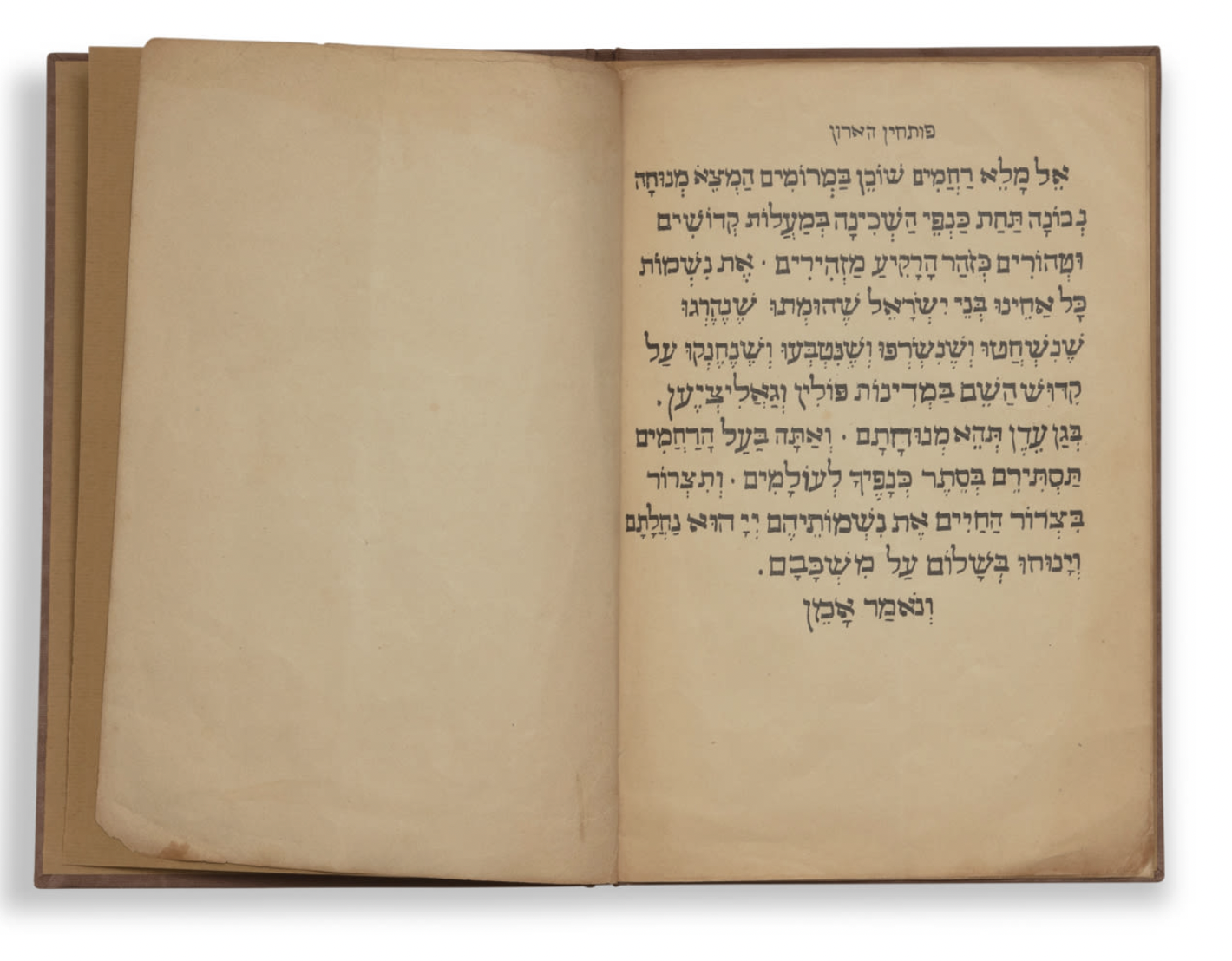
Rabbeinu Tam (1100-1171) and other medieval rabbis declared that 20th Sivan would be a fast day, in which special prayers and liturgical poems would be read. (We have just left the month of Sivan, but we are still in this season of fast days and mourning, Jewishly.)
Blood libels continued across Europe, predictably: A child (almost always a young boy) would go missing. Someone would then accuse the Jews of murdering this child for ritual purposes, possibly the actual perpetrator of said crime. (Sometimes the kid would turn up later– either revealed to have been in an accident, or just unharmed.) Torture would be a great way to extract false confessions and move into active communal persecution.
By the 14th century, ritual murder charges became commonplace around Passover time. The fact that human sacrifice and the use of even animal blood for any purpose are strictly forbidden according to Jewish law was incidental.
Into the 17th and 20th Centuries
Over time, it wasn't just for those slaughtered in blood libels; Jewish communities began to observe 20 Sivan in the wake of the horrific 1648-49 Chmielnicki pogroms. At that time, an antisemitic Cossack leader in the Ukraine led a rebellion against their Polish overlords for nationalistic, economic and religious (Roman Catholic vs Eastern Orthodox) reasons. As they waged war through Ukraine, Poland and Lithuania, they annihilated hundreds of Jewish communities in their wake, murdering unknown thousands of Jews and worse. (It's estimated that between the Cossacks and their allies and enemies– Swedes, Poles and Russians– 40,000-50,000 Jews were murdered during this time.) As pogroms rose and fell, so too did observance of 20 Sivan. After World War I, during the years 1919-1921, there were over a thousand pogroms in Ukraine, during which more than 60,000 Jews were brutally murdered and several small towns were practically wiped off the face of the earth. As such, in 1919, the Eastern-European Jewish communities renewed their day of fasting and prayer on 20th Sivan.
Ritual Space For Solidarity Today
I don't know if the solution is to designate one day, specifically, or just to designate days, times, gatherings in our local communities and across coalitions – for us all to mourn and rage and pray and fast together, to come together in holy solidarity with everyone scapegoated, targeted, oppressed, harmed, hated, pulled down.
I do know that being numbed out and scrolling, trying to squeeze in compassion in-between tasks isn't it. When we give ourselves permission to come together, to feel, to grieve, to weep– finally, to release some of all of our very human responses to all of these absolute horrors– we have more capacity to do.
And so much of what felt true then feels all too resonant for us now, today. For example, here's one liturgical poem written not long after the Blois burning, which included the line,
"Unsated was the oppressor’s rage against them."
And an elegy written (with intentional biblical references, yes) by someone who was possibly an eyewitness survivor of the Chmielnicki massacres also feels too resonant, both for all of us weeping now and for all those targeted in the places where they live, perhaps:
Over these I weep
The wellspring of my eyes pours bitter tears
For the souls of the pious, the pure, and the upright
Whose blood was shed as running water
Killed and slaughtered and burned and stabbed*Thanks to Isaac Gantwerk Mayer, Jacob Chatinover and Aharon N. Varady for the archival and translation work here.
Leaders and teachers, (regardless their being) elders or youths
Every human heart melts, every spirit and soul falters
They weep and wail without rest...
Now that you have turned on us, we have no sanctuary...
What might our collective grief, anger and holy protest look like?
To fast in solidarity with everyone whose life, home and safety is and has been destroyed? With ICE detainees hunger striking—not only in New Jersey (yes, some women are still striking), but in Tacoma, WA (where they've had 9 strikes so far this year); in Alvarado, TX; Phillipsburg, PA; Baldwin, MI began their strike mid-April and Adelanto, CA began their strike on May 19.
Is not this the fast that I have chosen? to loose the bands of wickedness, to undo the heavy burdens, and to let the oppressed go free, and that ye break every yoke?
(Isaiah 58:6)
To read words that bear witness to the horrors in the public square, together?
Like these:
 here
here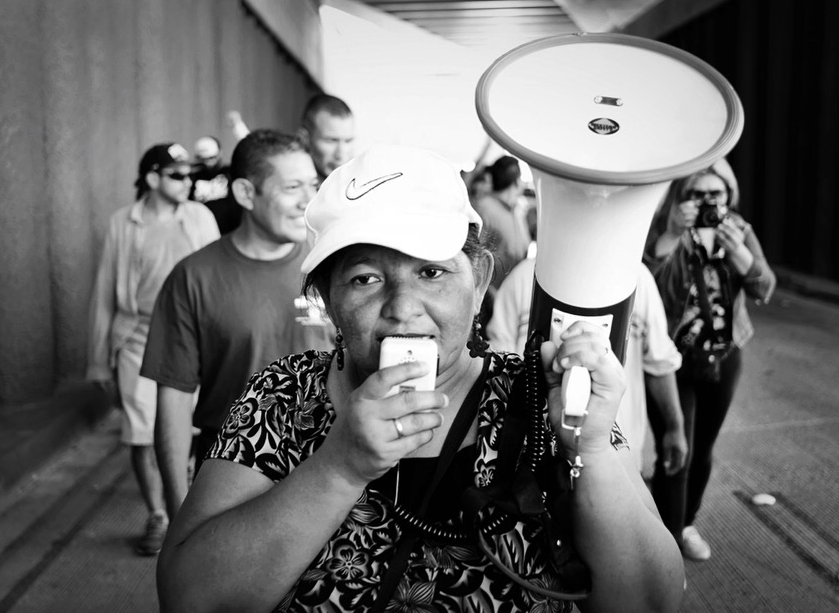
 El Grito de Nosotros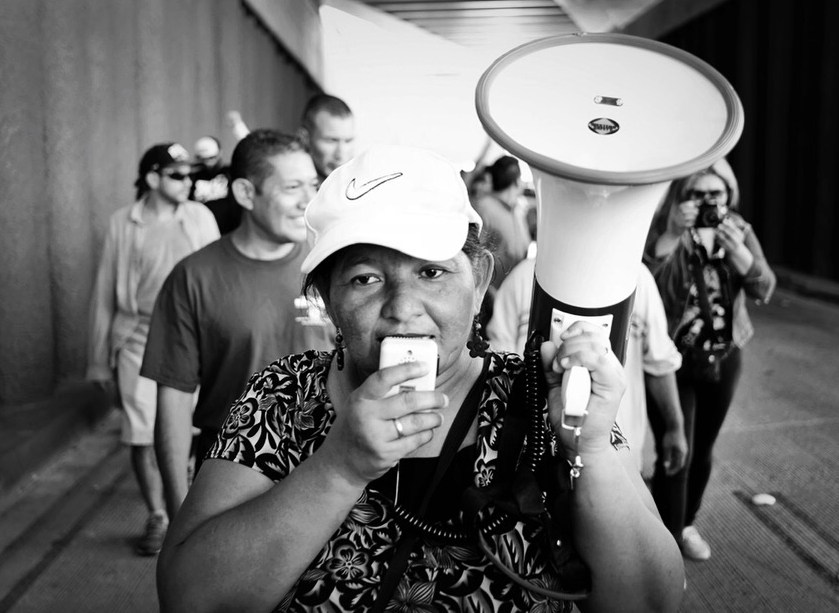
 Nasser Rabah & Hala al-Shrouf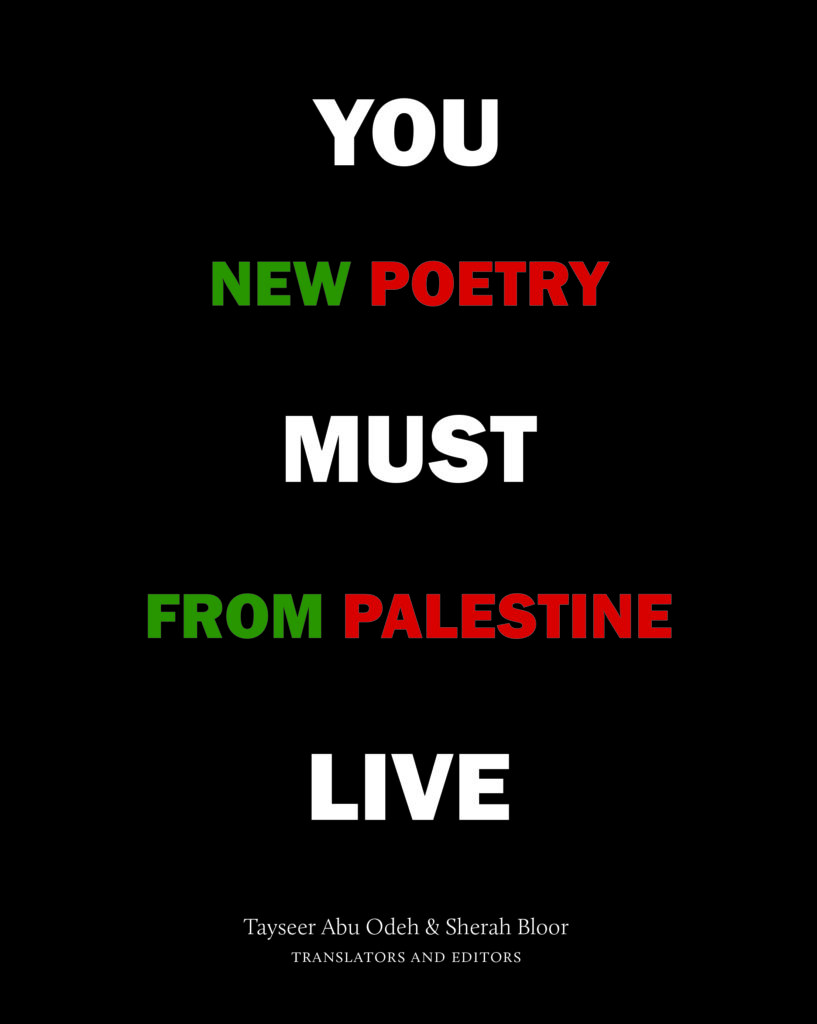
Thinking particularly about the second poem, "We Will Meet, Don't Be In Such A Rush."
And so many more.
To make space in our bodies to feel and weep together?
To let that somatic experience lead us to the next step, and the next step after that?
To hear those who can lead us forward into action tell us where we might best be of service?
Then what might be possible?
❤️
Who's one person in your life who needs to read this piece?
Send it to them.
Share this post
 Share on Bluesky
 Share on Threads
 Share on Facebook
 Share on Mastodon
 Share on Reddit
 Share on LinkedIn
 Share on Email
Need some words about Life is a Sacred Text to make it easier?
How about:
- "This helps me make sense of the world when everything feels overwhelming.”
- “This is where I go for smart, humane takes on what’s happening right now.”
- “This blends history, justice, and being human in a way I haven’t found anywhere else.”
When you join our inner circle,
you become part of a diverse community of insightful thinkers and doers who care about transforming themselves and this world
-- while geeking out -- as much as you do.
This is the space you've been looking for. ❤️
For less than the price of one coffee shop drink a month.
Join us.
RESOURCES:
IMMEDIATE ACTION STEPS ON DELANEY HERE:
 (862) 445-9200
A good source for what's happening in Israel/Palestine is here.
AND REGISTER NOW:
 Rabbi Danya Ruttenberg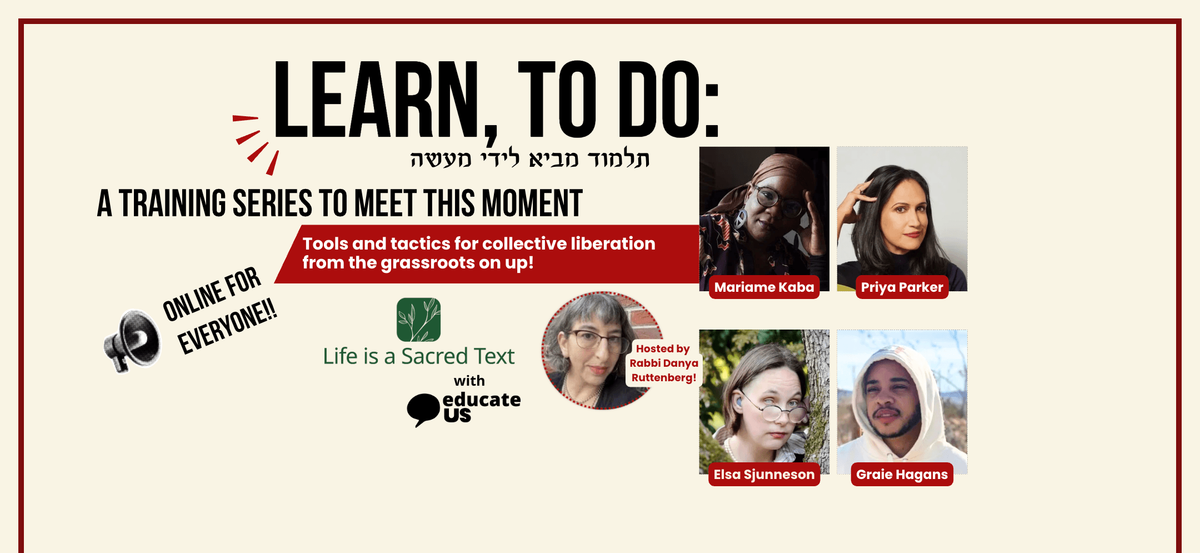
Support independent work committed to telling inconvenient truths:
Did you know that you can now buy House of Study gift subscriptions for the people you love
(and also the ones you just kind of like pretty OK)
all year round??
Delight the folks who need inspiration and fortification while supporting independent media and enabling more community work to come!
Win! / Win! / Win!