

This is Life as a Sacred Text 🌱, an everybody-celebrating, justice-centered voyage into ancient stories that can illuminate our own lives. It‘s run on a nonprofit, so it’s 100% NAZI FREE. More about the project here, and to subscribe, go here:

Welcome back to another edition of Spiritual Practices for Terrible Times!
I think this is officially an ongoing series, wherein I share some cool things that some of the folks from the past have done that might be valuable for us today.
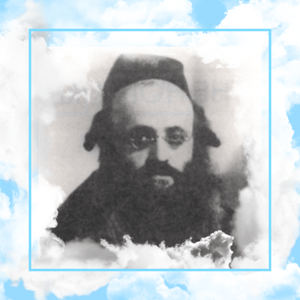
Today I'd like to share a practice from the great Rabbi Kalonymus Kalman Shapira (1889-1943), from the days before the war.
He's also known also as the Piaseczno Rebbe, aka the town in Poland in which his rabbinate was based.As well as the Aish Kodesh ("Holy Fire."); it's a thing to refer to important rabbis by their most important books. As mentioned a long long time ago, the Aish Kodesh is the name given to the book of unbelievably powerful, bracing sermons that Shapira gave from within the Warsaw Ghetto. (He was murdered at the Trawniki concentration camp several months after the Ghetto Uprising, in the wake of several other camps revolting.)


This practice I'm going to describe was, it seems, influenced by the work of the 16th c. Kabbalist Chaim Vital, and traces back even to 14th c. Spanish Kabbalistic practices.
In a different text Shapiro tells his students,
We have formed this community in order to transform each of our members into a person of spirit and mindfulness, to convey a new way of thinking and perceiving. Your mind will observe with new depth and clarity. As you resist the distractions of your physical surroundings, a sense of focused spiritual concentration will unfold within you. (Benei Machshava Tova)
That's the work, right? To come together in community, to transform and reach a new way of thinking and perceiving. What might be possible in our actions in our lives, and in the world, and in co-creating the future, if we can attain such a thing together?
So let's see what he suggests we can do.